top of page


Many people these days are foregoing traditionally made pasta for myriad reasons. For some it’s because they have a gluten sensitivity or Celiac disease while others are just interested in trying out the newest food trend like protein pasta or slow dried pasta, which are very popular right now. And while I have not been diagnosed with gluten issues, I do find that my body reacts a bit negatively to it so I try to find alternatives that at least taste great even if it doesn’t actually have the texture (or mouth feel as some fancier people might say) of pasta.


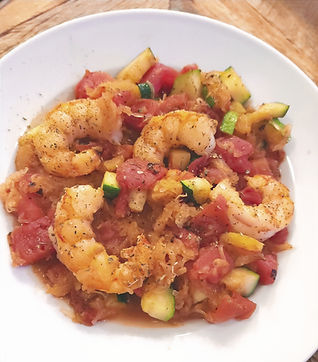
I’ve tried palmini pasta made with the hearts of palm and Miracle Noodles made from konjac root, but neither really tastes that good to me. Another option that I really like but is less commonly used is Spaghetti squash. And the great thing about cooking with this is it’s low in calories, high in fiber and provides vitamins A, C, B5, manganese, and other micronutrients. I don’t see a lot of recipes using it so I created one recently that I really liked and wanted to share it with you. I used Georgia wild red shrimp for this recipe and because they tend to be sweeter than other types of shrimp, they paired perfectly with the spaghetti squash. Hopefully you’ll enjoy it as much as I did.


This recipe is for one to two people, so you will have leftover squash to use in at least one other meal throughout the week. Let me know in the comments if you would like another recipe using this delicious and easy to use squash.


Ingredients

One medium spaghetti squash

Half of a medium zucchini cut into bite size pieces

1 ½ cups fire roasted tomatoes

¼ lb of uncooked shrimp

1-2 cloves of garlic minced

1-2 t. dried oregano or Italian seasoning

Salt and pepper to taste

Optional: nutritional yeast


Scroll through to see how to prep and cook the spaghetti squash


Directions

  1. Roast the squash. Preheat the oven to 400°F. Cut the squash in half lengthwise and scoop out the seeds. Drizzle the cut sides of the squash with olive oil and sprinkle with salt. Place the squash cut-side down on a sheet pan and bake for about 30 minutes. For easier clean up, line the pan with foil or parchment paper.

  2. Check for doneness. Insert a knife into the flesh of the squash. If the knife slides in easily, the squash is done. If the flesh is still firm, return it to the oven and continue baking until tender, checking periodically.

  3. Scrape and drain the squash. Let the squash cool for about 5 minutes. Using a fork, scrape the flesh away from the skin. Transfer the squash to a strainer set over a bowl to drain off excess liquid. Let it sit for a few minutes, using the back of a fork to gently press out additional liquid if needed.

  4. Prepare the remaining ingredients. While the squash cooks, chop the zucchini into bite-sized pieces and mince the garlic. Peel and devein the shrimp, if needed, then season with salt and pepper.

  5. Cook the shrimp. While squash drains, heat a medium sauté pan over medium heat. Add about 1 tablespoon of olive oil. Add the shrimp and cook for about 4 minutes until pink and opaque, turning about halfway through.  Remove the shrimp from the pan and set aside.

  6. Cook the garlic and zucchini. Add a little more olive oil to the pan, if needed. Add the garlic and sauté for about 30 seconds, stirring so it doesn't burn. Add the zucchini and season with salt and pepper. Cook until the zucchini is nearly fork-tender.

  7. Combine the squash mixture. Add half of the cooked squash and the fire-roasted tomatoes to the pan. Season with a little more salt and pepper, along with dried oregano or Italian seasoning, depending on your preference. Stir to combine and cook until everything is heated through.

  8. Finish the dish. If desired, sprinkle a little nutritional yeast over the squash mixture for a cheesy, nutty, umami flavor, especially if you're not using Parmesan cheese. Arrange the cooked shrimp on top, cover the pan, and heat for about 1 minute, just until the shrimp are warmed through.

  9. Serve. Plate and enjoy!


clawsona1970
Oct 11
2 min read

Got leftover rice? Make this easy and flavorful recipe for a tasty mid-week meal.


Lately I have been eating mostly complex carbs like sweet potatoes or squash but once in a while I want a little rice such as Jasmine or Basmati. So, when I do have that urge, I buy the pre-cooked versions you can get at Whole Foods. It's just enough to enjoy with two to three meals for a single person or enough for two people.


This past week I picked a jasmine rice packet to have with the chicken I had cooked for the week, but as I was looking at the different options and saw one that was flavored with cilantro and lime, it gave me an idea. What if another day this week I took the can of unsweetened coconut milk in my pantry and made my version of a Thai coconut rice? So, that's what I did with the leftover rice. I did not have cilantro, but I did have dried dill and thought that might be a nice combination. As it turns out, I was right.


Below is the dish I put together in just about 30 minutes. Hope you'll try it and let me know if you liked it.


Shrimp and Coconut Broccoli Dill Rice


Ingredients

¼ lb raw shrimp

½ cup broccoli florets

½ cup can of unsweetened coconut mile

1 cup pre-cooked jasmine rice

Dried dill to taste (I added two good pinches)

Trader Joe’s Green Goddess Seasoning Blend


Directions

Prep broccoli and shrimp so they are ready to go as this goes pretty quickly. Cut the broccoli florets from the stalk into bite size pieces and remove the shells from and devein the shrimp. Note: I typically buy whatever shrimp is on sale and often buying it with the shell on is less expensive so I remove the shells off myself.


Heat sauté pan on medium heat. While the sauté pan is heating up, season the shrimp with the Green Goddess seasoning. Then, in a small saucepan, add your rice and coconut milk and bring to a simmer over low to medium heat. Hint: if your rice appears to be sticking to the pan, just add a bit more coconut milk. Heat for 1-2 minutes then add your broccoli florets and put a lid on it to steam the broccoli to fork tender.


While the broccoli is steaming, add a tablespoon or so of olive oil to the sauté pan and add the shrimp. Cook the shrimp for 1-2 minutes on one side then turn, cook for another 1-2 minutes. You will know that the shrimp is done when they have turned pink and are no longer opaque in the middle.


Before plating add a pinch or two of dried dill to the rice and stir to mix in. Plate the rice on the bottom of your serving dish then top with the shrimp. Add another sprinkling of dill if you’d like.


clawsona1970
Nov 18, 2023
2 min read

I can’t believe Thanksgiving is next week! I posted photos of the meal I made myself last Thanksgiving and was asked by a couple of people to share the recipe, but I never ended up writing it down. So, I thought I’d bring it back this year. This is perfect for a small gather or for anyone who is cooking for one. You will still have a few leftovers depending on the size of the turkey breast, but it will be much less than if you cook an 8-10 pound turkey.


I don’t have the recipe for the stuffing, because I used the Pepperidge Farm one and just added sausage. It’s the simplest way to do it in my opinion.


Ingredients:

Turkey breast – full, deboned with skin; your preferred size

Dijon mustard – about 1 tablespoon

Prepared stuffing

Salt and Pepper: approximately ¼ teaspoon of salt and 1/8 of pepper

Kitchen twine


Instructions:

Prepare stuffing ahead of time.


Preheat oven to 350 degrees. Place turkey breast skin side down on top of plastic wrap. Place another piece on top of the flesh and then with a mallet or a glass like I used, pound the turkey breast to thin it out a bit.


Remove the top layer of plastic wrap and added salt and pepper. Cover the flesh with a thin layer of the mustard. Add a little more mustard if needed to cover. This will help the stuffing stick and adds a little flavor at the same time.


Then, place prepared stuffing to cover the mustard. Leave a little edge along the turkey breast so that the stuffing doesn’t fall out when you roll it.


Now it’s time to roll. I rolled mine starting at the shorter end on the right, but you can roll it whichever direction makes the most sense for you. Then take the twine and tie it so that the turkey breast will stay together. It also helps to create markers for cutting once it’s cooked.


Roasting can be done a couple of different ways. Roasting pan with rack is a great way. If you don’t have one, you can place the breast on top of some vegetables in the roasting pan or using a sheet pan, place a piece of parchment on the bottom and place a wire cooking rack on top. Place the breast on that. Roast the turkey breast at 350 degrees for 45 to 60 minutes depending on the thickness of the breast. It’s done when the internal temperature reaches 160-165 degrees. Let rest about 15 minutes, slice and serve!


You will have extra stuffing so you can cook it based on the instructions on the packaging and serve as a side.


bottom of page